
Why your outdoor outlets suddenly stop working usually comes down to a few common issues: tripped GFCI protection, a tripped breaker, moisture or water damage, or aging wiring and devices.
Understanding the likely cause helps you know what you can safely check yourself—and when it is time to call a licensed electrician in the Tri‑State area.
Why outdoor outlets fail more often
Outdoor receptacles live in a much harsher environment than the outlets inside your home. They deal with rain, snow, temperature swings, and heavy use from holiday lights, lawn tools, and outdoor equipment.
Because of this, electrical codes require special protection outside, including GFCI devices, weather‑resistant outlets, and proper covers, but even with those protections, problems still happen over time.
Common reasons your outdoor outlet is not working
Tripped GFCI shutting off outdoor power
Most modern outdoor outlets are protected by a Ground Fault Circuit Interrupter (GFCI), either built into the outlet itself or located upstream on the same circuit.
A GFCI constantly monitors the flow of electricity and quickly shuts off power if it detects even a small difference between the hot and neutral conductors, which can indicate a shock hazard, especially in wet locations. In many homes, a single GFCI can protect several outdoor outlets and may even control garage or bathroom receptacles, so if one device trips, you might find multiple plugs dead at once.

Tripped circuit breaker or overloaded exterior circuit
Your outdoor outlets are tied into a breaker in the main electrical panel, and that breaker will trip if the circuit is overloaded or detects a fault. This often happens when multiple loads are plugged in at once—string lights, power tools, space heaters, or inflatables can push the circuit past its rating.
When a breaker trips, it usually sits somewhere between fully ON and fully OFF, so it is easy to overlook it if you are not specifically checking for it.
Moisture, water damage, and corrosion
Water and electricity do not mix, and outdoor receptacles are constantly at risk from rain, sprinkler systems, snow, and humidity. If the outlet or its cover is damaged, missing, or not rated for “in‑use” outdoor conditions, moisture can get inside the box and cause corrosion, rust, or internal arcing.
Over time, this leads to nuisance GFCI tripping, outlets that only work intermittently, or a complete loss of power, and it can also present a serious shock or fire hazard if left unaddressed. Proper weatherproof covers and gaskets dramatically reduce this risk by keeping water out of the device and enclosure.
.jpg?width=500&height=500&name=Troubleshooting%20a%20Dead%20Outdoor%20Electrical%20Outlet%20A%20Guide%20for%20Homeowner--Premiere%20Electric%20(1).jpg)
Worn, loose, or damaged wiring
Exterior wiring and boxes are more exposed to temperature changes, pests, and physical damage, which can loosen connections or damage insulation over the years.
Signs of wiring problems include buzzing, flickering when you plug in something, scorch marks, or a burning smell at the outlet or nearby wall. These issues are not safe DIY projects and should always be inspected and repaired by a licensed electrician to prevent further damage or risk.[premiereelectriccompany]
Broken or non‑weatherproof covers
Even if the internal wiring and GFCI protection are fine, a cracked, missing, or incorrect cover leaves your outdoor outlet vulnerable. Flat indoor‑style covers do not protect an outlet while something is plugged in, allowing rain or snow to easily enter and collect inside the box. Upgrading to proper in‑use bubble covers designed for outdoor use helps keep moisture away from live parts and extends the life of your exterior outlets.
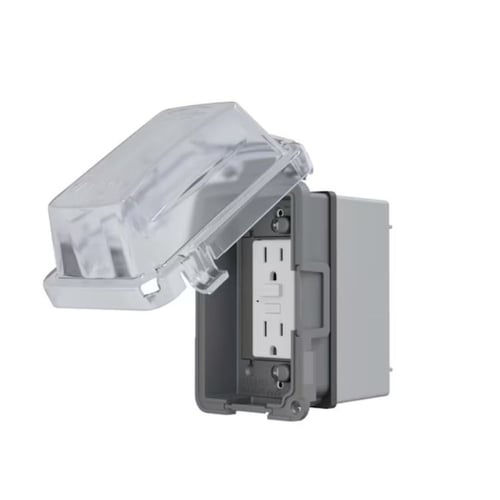
Step‑by‑step: how to troubleshoot a dead outdoor outlet safely
Basic checks can help you determine whether the problem is something simple, like a tripped GFCI or breaker, or a more serious issue that requires a professional.
Step 1 – Check other outdoor and garage outlets
Start by testing other outdoor outlets and any garage or nearby indoor receptacles that might share the same circuit. If several outlets are dead, it strongly suggests a tripped GFCI or breaker rather than a single bad device. If only one outlet is out and everything else works, there may be a problem at that specific receptacle.
Step 2 – Locate and reset the GFCI
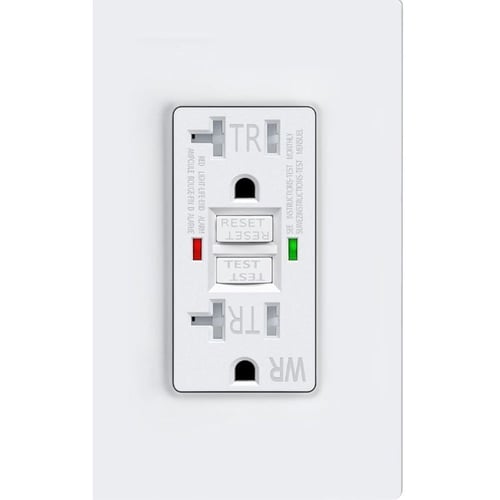
Look for a GFCI device with “TEST” and “RESET” buttons on outdoor outlets, in the garage, basement, or bathrooms, since it may be protecting your exterior receptacles. Once you find it, make sure the outlet and area are dry, then press the RESET button firmly until it clicks, and test the outdoor outlet again.
If the GFCI will not reset or trips again immediately, stop there and contact a licensed electrician, as there may be a ground fault, moisture issue, or wiring problem on the circuit.
Step 3 – Inspect and reset the breaker
Next, carefully open your main electrical panel and look for a breaker that is not fully in the ON position. If you find one, switch it fully OFF, then back to ON to reset it, and test your outdoor outlet again. A breaker that immediately trips again is telling you there is an underlying fault, and repeatedly forcing it back on can be dangerous, so this is another point where you should call a professional.
Step 4 – Look for signs of moisture or damage
With the power off, you can remove the outlet cover to take a quick look for obvious issues. Rust, green corrosion, standing water, cracked plastic, or a loose box are all warning signs that the outlet has been compromised by weather or age. If you see any of these issues—or if the outlet feels warm, smells burnt, or looks charred—do not continue using it and have it inspected and replaced by a licensed electrician.
Step 5 – Know when to stop DIY troubleshooting
If you have checked the GFCI and breaker, verified that other outlets are affected, or noticed any evidence of water damage or overheating, it is important to stop before you put yourself at risk. Persistent tripping, humming noises, or damaged parts almost always indicate a deeper problem that cannot be resolved by simply pressing a button or tightening a screw.
At that point, the safest and most cost‑effective move is to have a professional diagnose and repair the issue correctly the first time.

Outdoor outlet safety, codes, and protection
Electrical codes require outdoor outlets to meet specific safety standards because they are installed in locations more likely to be wet or exposed. That usually means GFCI protection, weather‑resistant outlets, proper grounding, and appropriate weatherproof covers that protect the receptacle even while something is plugged in.
Older outdoor outlets installed before modern code requirements may not have these protections, which is one reason you might see more issues or nuisance tripping on those circuits.
GFCI devices greatly reduce shock risk by cutting power in a fraction of a second if they sense current leaking somewhere it should not be, which is critical around patios, decks, and pool areas. Weather‑resistant and tamper‑resistant receptacles are built with materials and designs that better withstand moisture, temperature changes, and debris, so they last longer and perform more reliably outdoors.
Combining GFCI protection, weather‑resistant devices, and proper covers dramatically improves the safety of your exterior power.
Preventing future outdoor outlet problems
A little preventative maintenance goes a long way toward keeping your outdoor outlets working reliably. It is a good idea to visually inspect exterior receptacles a few times a year, test GFCI outlets monthly using the TEST and RESET buttons, and check that all covers close properly and seals are intact.
Unplugging outdoor devices during major storms and avoiding daisy‑chaining power strips or multiple heavy loads on a single outlet also helps prevent nuisance tripping and overheating.
If you are adding features like an outdoor kitchen, hot tub, fire pit, or new patio lighting, you may need additional dedicated outdoor circuits or higher‑capacity outlets to safely handle the load. Having those circuits installed and sized the first time correctly by a licensed electrician ensures you have enough power where you need it while staying in line with current electrical codes.
When to call a licensed electrician in the Tri‑State area
There are clear signs that your outdoor outlet problem has moved beyond simple homeowner troubleshooting. If the GFCI or breaker keeps tripping, you smell burning, see melted plastic, or notice visible rust or water inside the box, you should stop using that outlet immediately and call a professional.
Likewise, if you have no power outside after checking GFCIs and breakers, or if your outlets are old, ungrounded, or lack proper covers, it is time for expert help.
Homeowners in the Tri‑State area rely on fully licensed and insured residential electricians to safely and in compliance with current local codes handle outdoor outlet repairs, GFCI installations, and panel or circuit upgrades.

Professional diagnosis not only restores power to your outdoor outlets but also helps protect your home and family from the risks of shock, fire, and water damage down the road. If you are unsure why your outdoor outlets are not working—or you simply want peace of mind that your exterior electrical system is safe—scheduling an inspection and service visit is the safest next step.

.jpg)