Why Your Hardwired Carbon Monoxide Detectors Still Need Replacement (And Why They Use Batteries)
Carbon monoxide is a silent, invisible danger that many homeowners underestimate—especially if they already have hardwired carbon monoxide detectors installed. Even when they’re wired into your home’s electrical system, these life‑saving devices have a limited lifespan and still rely on backup batteries to keep your family safe.
What Is Carbon Monoxide and Why Detection Matters
Carbon monoxide (CO) is a colorless, odorless gas produced by common fuel‑burning appliances like furnaces, gas water heaters, fireplaces, gas stoves, and attached‑garage vehicles. Because you can’t see or smell it, CO can build up indoors without any warning. Exposure can cause headaches, dizziness, nausea, confusion, and in high concentrations, it can be fatal in minutes.
A properly working carbon monoxide detector acts like an early‑warning system, sounding the alarm before CO levels reach dangerous levels in your living spaces. For homes in the Tri‑State area with gas heat, fireplaces, or attached garages, reliable CO monitoring is just as important as smoke detection.
How Carbon Monoxide Detectors Work in Your Home
Modern carbon monoxide detectors use internal electrochemical sensors to “sniff” the air for CO. Inside each unit is:
- A sensor cell that reacts chemically when CO is present.
- An electronic circuit that measures the reaction.
- An alarm that sounds when CO levels rise above safe thresholds for a set period.
When CO molecules enter the sensor, they cause a small electrical change that the detector’s electronics can measure. If that reading crosses a programmed limit—either a high level quickly or a lower level over a longer period—the alarm sounds to alert you to leave the home and call for help.
Hardwired CO detectors work the same way as battery‑only detectors on the inside. The main difference is how they get their power: hardwired units connect to your home’s electrical system and typically include a battery backup, while standalone units rely only on batteries.
-premiere%20electric.jpg?width=500&height=500&name=Why%20Carbon%20Monoxide%20Detectors%20Expire%20(Even%20When%20They%E2%80%99re%20Hardwired)-premiere%20electric.jpg)
Why Carbon Monoxide Detectors Expire (Even When They’re Hardwired)
One of the biggest myths homeowners have is that if a carbon monoxide alarm still has power and beeps when tested, it must be fine. Unfortunately, that’s not how CO safety works.
Sensor degradation over time
The electrochemical sensor inside the detector slowly wears out. Years of exposure to normal household conditions—small amounts of CO, temperature swings, humidity, dust, and contaminants in the air—gradually reduce the sensor’s sensitivity. As that happens, the detector may:
- Take longer to respond at dangerous CO levels.
- Fail to alarm at levels that once would have triggered it.
- Give unreliable readings during self‑tests.
Think of the sensor like a filter in a furnace. It might look okay at a glance, but after years of use, it’s clogged and can’t do its job.
Aging electronics and environmental stress
Beyond the sensor, the internal electronics can drift out of calibration as components age. Heat from attics, cold from basements, moisture from bathrooms, and dust all accelerate wear. Over time, this can cause:
- False alarms or nuisance chirping.
- Inconsistent performance.
- Silent failures where the device appears powered but will not respond properly in an emergency.
Manufacturer-rated service life
Because of sensor and component aging, manufacturers design CO detectors with a specific service life—typically 7 to 10 years from the manufacturer's date. Many units will display “End” or chirp in a specific pattern when they reach end of life, signaling that the entire detector must be replaced, not just the battery.
If your carbon monoxide detector is older than its recommended lifespan, it should be treated as unreliable, even if:
- The power light is on.
- It still passes the test button.
- It hasn’t given any trouble.
Replacing an expired detector is a critical part of home safety maintenance, just like changing furnace filters or servicing your HVAC system.
Why Hardwired Carbon Monoxide Detectors Still Need Replacement
Hardwired carbon monoxide detectors give many homeowners a false sense of security. Because they’re connected to the home’s electrical system, it’s easy to assume they last forever. In reality, hardwiring only solves one problem—constant power—not sensor lifespan.
Same sensing technology, same aging
Hardwired CO detectors use the same type of internal sensor as their battery‑only counterparts. That means:
- The electrochemical sensor inside a hardwired alarm ages at roughly the same rate as any other sensor.
- The same 7–10 year replacement rule applies.
- Hardwiring does not “refresh” or extend the life of the sensor.
A 15‑year‑old hardwired CO detector with a glowing green light is like a 15‑year‑old fire extinguisher—it might still be there, but you shouldn’t bet your family’s safety on it.
End-of-life and code compliance
Modern building codes and manufacturer instructions require that CO detectors be replaced at the end of their rated life. For many homes in the Tri‑State area, especially those built or remodeled more than a decade ago, this means the original hardwired units are now overdue for replacement.
Neglecting to replace outdated detectors can lead to:
- Failed home inspections when selling or refinancing.
- Potential insurance issues after a CO-related incident.
- A dangerous gap in your home’s life‑safety coverage.
Having a licensed, insured electrician replace your hardwired carbon monoxide detectors ensures:
- Proper wiring connections.
- Correct interconnection between smoke and CO alarms where required.
- Compliance with current electrical and safety codes.
Why Hardwired Carbon Monoxide Detectors Use Batteries
A common homeowner question is: “If my carbon monoxide detector is hardwired, why does it even need a battery?”
Battery backup for power outages
The answer is simple but vital: the battery is a built‑in backup power source. When the power goes out because of:
- Storms.
- Blown transformers.
- Tripped breakers.
- Utility work.
Your hardwired CO detectors would shut off without a battery. The backup battery keeps them running when you need them most.
Carbon monoxide risk does not disappear during a power outage. In fact, it can increase. During outages, homeowners may:
- Run portable generators too close to the house or in attached garages.
- Use gas stoves or ovens for heat (which is unsafe).
- Use fireplaces or unvented heaters more often.
All of these can produce carbon monoxide. If the power is out and your detectors don’t have a working battery, you could be completely unprotected.
Safety standards and modern design
Most modern hardwired carbon monoxide and combination smoke/CO alarms are designed, tested, and certified with battery backup as part of the safety system. The battery is not optional; it’s part of how the device is intended to operate.
This is why:
- You’ll hear a distinct chirp when the battery is low.
- The manufacturer's instructions clearly say to replace the battery regularly.
- Some newer models offer sealed 10‑year batteries, after which the entire unit is replaced.
Rather than viewing low‑battery chirps as a nuisance, it’s better to think of them as your detector’s way of saying, “I can’t protect your family during a power outage until you help me out.”
When to Replace Hardwired Carbon Monoxide Detectors
Knowing when to replace your CO detectors is just as important as knowing why.
Step 1: Check the date
Every carbon monoxide detector has:
- A manufacture date stamped on the back or side, or
- A “Replace by” date on the label.
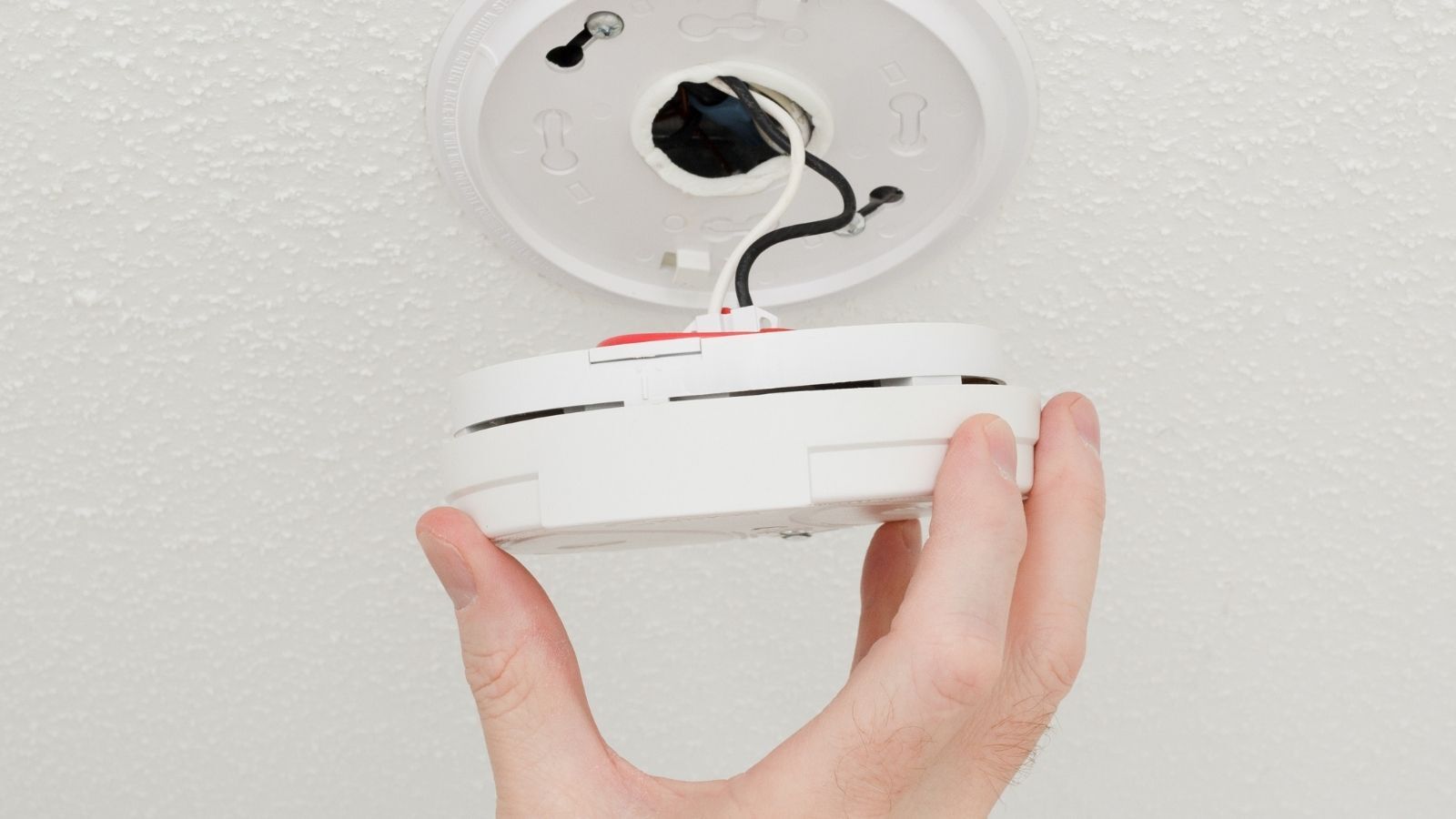
If you’ve never taken your hardwired detectors down to look, now is the time. Carefully twist or release them from their mounting plate and check the label.
Step 2: Follow the 7–10 year rule
As a general guideline:
- Replace detectors that are 7–10 years old, or follow the manufacturer's specified timeline.
- If you’re not sure of the date or the label is unreadable, it’s safer to assume the unit is due for replacement.
This applies equally to:
- Hardwired carbon monoxide detectors.
- Combination hardwired smoke and CO alarms.
- Plug‑in or battery‑only CO detectors.
Step 3: Replace the backup battery regularly
Even with a newer detector:
- Replace the backup battery at least once a year (often aligned with daylight savings time changes).
- Replace it immediately if you hear a low‑battery chirp.
- Test your detectors monthly using the test button to ensure the alarm still sounds properly.
Why You Should Use a Licensed Electrician for Hardwired CO Detector Replacement
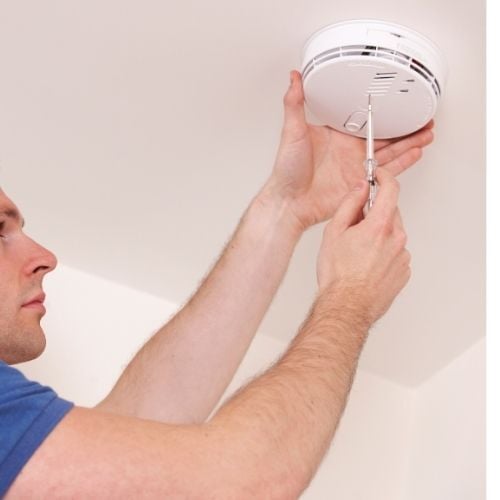
Hardwired CO detectors are connected to your home’s electrical system and, in many homes, are interconnected so that when one sounds, they all sound. Working on that system is not a DIY project for most homeowners.
A licensed, insured master electrician can:
- Safely remove your old hardwired CO detectors.
- Install new, code‑compliant models with proper wiring connections.
- Ensure the correct operation of any interconnected smoke and CO alarms.
- Place detectors in recommended locations (outside bedrooms, on every level, near fuel‑burning appliances) for optimal coverage.
For homeowners in Florence, Kentucky and the Greater Cincinnati / Northern Kentucky / Indiana Tri‑State area, having a professional upgrade your carbon monoxide protection gives peace of mind that everything is done right the first time.

Don’t Ignore This Silent Safety Upgrade
Hardwired carbon monoxide detectors are an essential part of your home safety system, but they are not “install and forget” devices. The sensors inside them wear out, the electronics age, and the backup batteries must be maintained. Replacing outdated CO detectors and keeping fresh batteries installed is a simple, affordable step that can literally save lives.
If you can’t remember when your detectors were installed—or if your home is more than 10 years old—it’s a good idea to schedule an inspection and replacement with a qualified residential electrician. A quick visit can ensure your carbon monoxide protection is up to date, so you can sleep easier knowing your family is protected.