Flickering lights in your home can be annoying, but they can also be a warning sign of an electrical problem that should not be ignored.
Before calling a licensed residential electrician, there are a few safe, basic checks you can try, but persistent or widespread flickering is a strong signal to bring in a professional for your home’s safety.
Flickering Lights in My House: Is It Dangerous?
Flickering lights are often the first visible sign that something is off in your home electrical system. In some cases, the cause is simple, such as a loose or failing light bulb, but in others it can indicate loose wiring, overloaded circuits, or issues at the electrical panel that increase the risk of fire or shock.
When lights dim or flicker whenever a major appliance turns on, or when several rooms are affected, it can indicate voltage fluctuations or service problems that should be checked by a licensed electrician.
Common Causes of Flickering Lights in Homes
-
Loose or worn‑out light bulbs that are not fully seated in the socket.
-
Using non‑dimmable LEDs on a dimmer switch, or mixing different bulb types and wattages in the same fixture.
-
Aging or failing fixtures, lamps, or light switches that no longer make a solid electrical connection.
-
Loose electrical connections in outlets, junction boxes, or at the electrical panel can create heat and arcing.
-
Overloaded electrical circuits or service issues, especially when large loads like HVAC systems or space heaters start up.
Electrical Safety First: When to Stop DIY and Call an Electrician
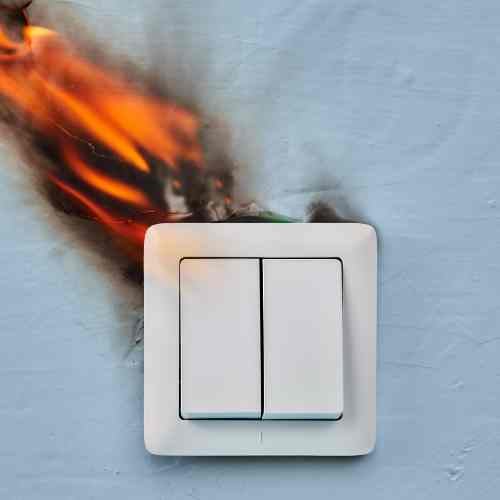
Some signs mean you should stop troubleshooting immediately and treat the issue as an electrical safety problem. If you notice a burning smell, discoloration, or scorch marks on outlets or switches, or if a switch or outlet feels warm or hot, shut off the power to that circuit and contact a professional electrician immediately.
Repeated breaker tripping, flickering combined with buzzing or crackling sounds, or whole‑house flickering—especially in an older home with knob and tube wiring or an outdated electrical panel—are all red flags that require expert diagnosis.
DIY Troubleshooting Steps for Flickering Lights (Safe Homeowner Checks Only)
Only try these steps if there are no signs of heat, burning, damage, or moisture, and if you feel comfortable working around basic household electrical components.
-
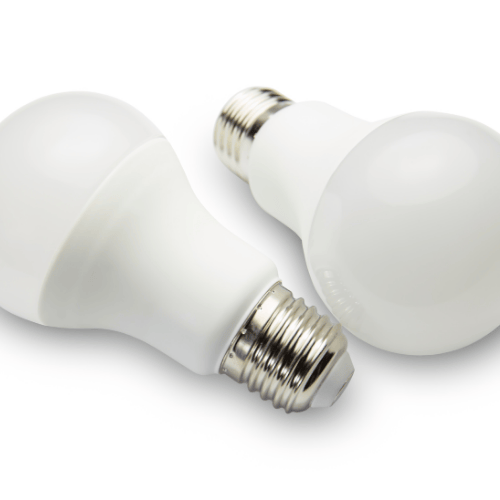
Step 1 – Check and replace the light bulb
Turn the light switch off and let the bulb cool, then gently tighten it to ensure it is fully seated in the socket. If the light still flickers, replace it with a new, high-quality bulb rated for the fixture's wattage. -
Step 2 – Match bulb type to dimmer or switch
If the fixture is on a dimmer switch, make sure you are using bulbs specifically labeled as dimmable LED or dimmable CFL. Avoid mixing old incandescent bulbs with LEDs in the same fixture, as this can cause inconsistent dimming and flicker. -
Step 3 – Test the lamp or fixture on another circuit
For a plug‑in lamp, move it to a different outlet that you know is on another circuit in your home. If the flicker disappears on the new outlet, the original outlet or circuit may have a loose connection and should be inspected by a licensed electrician. -
Step 4 – Gently test the light switch
With the power on, carefully flip the light switch on and off and notice whether a slight movement of the switch causes flickering. If the switch feels loose, crackles, or becomes warm, stop using it and plan to have the light switch replaced by a qualified residential electrician. -
Step 5 – Check the breaker (without removing covers)
At your main electrical panel, check whether the breaker controlling that circuit is in the middle or off position, and, if so, reset it once by turning it fully off and then back on. If it trips again, or if multiple breakers are affected, do not continue resetting—this indicates an underlying electrical issue that requires professional troubleshooting.

When to Call a Licensed Residential Electrician for Flickering Lights
Even if a quick bulb replacement seems to help, flickering issues are often symptoms of underlying problems that only a trained electrician should address.
If lights flicker in multiple rooms, dim noticeably when appliances start, or continue to act up after you have tried basic DIY steps, the safest choice is to schedule an inspection with a fully licensed and insured electrician.
A professional can test for loose connections in outlets and junction boxes, evaluate whether your electrical panel or circuits are overloaded, recommend service upgrades, and safely replace aging wiring, switches, and fixtures to current electrical code so the problem is fixed correctly the first time.