If only one recessed light is flickering while the other lights in the room work normally, the bulb is not automatically the problem. In many homes, the cause is local to that light: a poor socket contact, an incompatible dimmer setting, a failing LED driver, or a loose connection at the fixture or switch.
For homeowners in Cincinnati, Northern Kentucky, and nearby Indiana communities, a single flickering light is worth addressing early. It may be a straightforward fixture repair, but persistent flicker can also be a warning that a connection needs a licensed electrician’s attention.
Why only one recessed light flickers
When every light in a room or several areas of a house flickers at once, the issue can be farther upstream—such as the circuit, panel, neutral, or incoming power. When one recessed light is the only fixture acting up, start by looking at the components unique to that fixture and its controls.
Before inspecting anything, turn the light off at the breaker and confirm the power is off. Do not open a recessed-light junction box, switch box, or electrical panel if you are not comfortable working around electrical wiring. A licensed electrician can safely diagnose the problem without guessing or replacing parts that are not actually at fault.

1. The bulb is seated, but the socket contact is poor
Even when the bulb itself is not burned out, it may not be making a consistent electrical connection with the socket. Vibration, repeated relamping, heat, or a worn socket can create intermittent contact that looks like flickering or brief dropouts.
Leviton lists a bad bulb connection among the troubleshooting causes for flickering lights on its LED/CFL dimmer installation guide. The same guide also identifies loose wire connectors as a cause of flickering.
Leviton LED/CFL/Incandescent Slide Dimmer instructions
What homeowners can safely check: With power off, make sure a screw-in bulb is snug—not forced—and look for visible damage, discoloration, or scorching around the trim or socket. If the fixture uses an integrated LED module instead of a replaceable bulb, do not pry or force the module; the problem may be inside the fixture or driver.
Call an electrician if: The light flickers when the ceiling is bumped, the trim feels hot, you see discoloration, or reseating the bulb does not solve the issue.
2. The dimmer and LED fixture are not working together
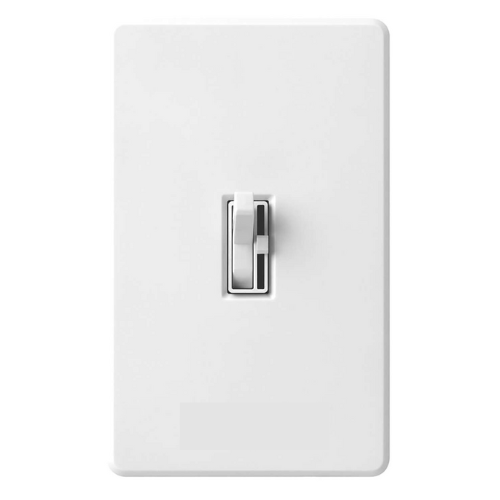
A dimmer that worked well with an older incandescent light may not control a modern LED recessed fixture smoothly. Some LED drivers require a specific dimming method, and a dimmer can also need its low-end setting adjusted. The clue is timing: the light may flicker only when dimmed below a certain level, at startup, or while moving the slider.
You might want to read: Is there a special dimmer for LED lights?
Lutron notes that LED flicker, buzzing, or humming during dimming may be caused by an incompatibility between the dimmer and LED lamp. Its troubleshooting guidance also explains that raising the low-end trim can stop flicker when the dimmer is set near its minimum brightness.
Check out this helpful guide: Lutron Maestro LED+ troubleshooting
Leviton likewise advises using compatible dimmable LED lamps and provides a setting for increasing the minimum dimming level to avoid low-end flicker. You might want to read Leviton dimmer instructions
The practical fix: Confirm that the recessed light or LED module is labeled dimmable, then check the dimmer manufacturer’s compatibility tool. Lutron’s LED Compatibility Tool is one example of a manufacturer lookup that can help match an LED light with a control.
Important: Do not assume a new bulb or a new dimmer will work with every LED fixture. If one light on a multi-light circuit flickers while the others do not, the driver or connection at that one fixture may still be the real issue.
3. The integrated LED driver is failing
Many newer recessed lights are not traditional “cans” with a replaceable bulb. They are integrated LED downlights with an electronic driver that regulates power to the light. If that driver starts to fail, the fixture may flicker, pulse, flash at startup, or work for a while and then become unstable as it warms up.
This is why changing a bulb may not fix a flickering recessed light: there may be no bulb failure to fix. The issue may be within the fixture’s LED module or driver. Manufacturer specifications for recessed LED products commonly pair flicker-free performance with approved dimmers, illustrating how closely driver and dimmer compatibility are linked.
HALO recessed LED downlight specification
What to watch for:
-
Flickering continues at full brightness, even with the dimmer bypassed or set to maximum.
-
The light begins flickering only after it has been on for several minutes.
-
Other recessed lights controlled by the same switch remain stable.
-
The fixture is an integrated LED wafer, retrofit module, or canless downlight.
-
In many cases, replacing the failing LED module or fixture is more practical than attempting a driver repair. An electrician can identify the fixture type, inspect the wiring, and install a compatible replacement.
4. A loose connection is hiding in the fixture junction box
A recessed fixture may have wiring connections inside its built-in junction box, can housing, or a junction box above the ceiling. A loose wire connector, damaged conductor, or poor splice can cause intermittent power at one light while the rest of the lighting circuit appears normal.
This is not a “wait and see” issue. In its technical guidance, Signify advises checking that wiring connections are tight and secure when LED output is flickering or intermittent. It also says to verify driver and dimmer compatibility.
Signify LED troubleshooting guide
A loose connection can create heat and may worsen over time. That is why homeowners should not simply keep resetting, wiggling, or repeatedly cycling a flickering light.
Stop using the fixture and call a licensed electrician promptly if you notice:
-
A burning odor, crackling sound, smoke, or visible scorching
-
A warm switch plate, ceiling trim, or fixture
-
Flickering that changes when a door closes, someone walks overhead, or the ceiling is touched
-
A breaker that trips, or a light that turns off completely and later comes back on
5. The switch or 3-way control has a local wiring or control problem
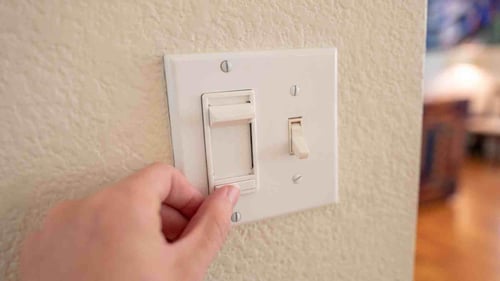
Sometimes the recessed light is fine, but the switch controlling it is not. This is especially common when a light is controlled from two locations, when a dimmer was added later, or when a smart switch was installed without confirming wiring and load compatibility.
Leviton’s instructions specify using only one dimmer in a 3-way circuit and caution that lights may flicker if wires are not firmly secured.
Leviton LED/CFL/Incandescent Slide Dimmer instructions. Lutron similarly notes that only one compatible LED+ dimmer should be installed on a lighting circuit; additional control locations require the correct companion or accessory device.
Lutron Maestro LED+ troubleshooting
If one recessed light flickers only when a particular switch is used, or when a smart-control schedule runs, the electrician should inspect the switch configuration, wiring terminations, and fixture compatibility—not just replace the light.
Is one flickering recessed light dangerous?
Not every flickering light is an emergency. A flicker that appears only at the very lowest dimmer setting may be resolved by a compatible LED-rated dimmer or a low-end trim adjustment. But recurring or random flickering should be investigated, particularly if it involves heat, odor, buzzing, a tripping breaker, or an integrated LED fixture that is starting to fail.
Arc-fault circuit interrupters (AFCIs) are designed to help protect against fires caused by unwanted electrical arcing from damaged or deteriorated wiring. Lutron and Eaton explain that AFCIs monitor the circuit and open when they detect unwanted arcing. Lutron/Eaton AFCI FAQ: If the flickering light is also causing breaker trips, do not replace the breaker with a non-AFCI breaker or keep resetting it; have the circuit diagnosed by a qualified electrician.

When to call Premiere Electric
A persistent flickering recessed light is a good reason to schedule an electrical service call—especially when the bulb has been ruled out. Premiere Electric provides residential electrical service and repair across Cincinnati, Northern Kentucky, and the tri-state area, including communities such as Anderson, Blue Ash, Mason, Milford, West Chester, Richwood, Union, and Alexandria.
View our service area
Our fully licensed and insured master electricians can trace the problem to the socket, dimmer, LED driver, fixture wiring, switch, or circuit connection and recommend the right repair. We provide upfront quotes with no hidden costs, and parts, labor, and materials are guaranteed for one year.
Call Premiere Electric at 859-393-5235 to schedule a recessed-light or flickering-light inspection in Northern Kentucky, Cincinnati, or nearby Indiana.