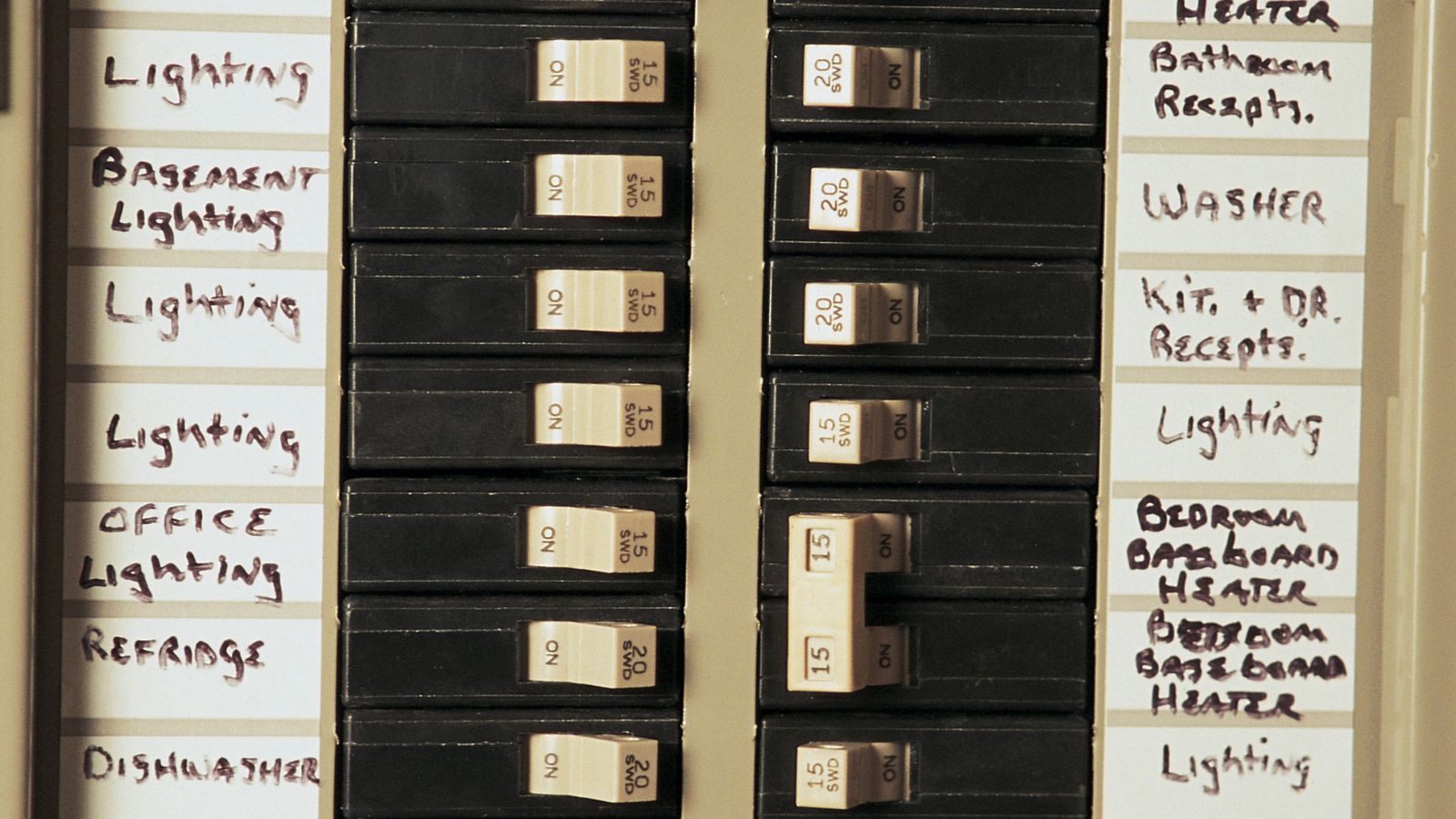
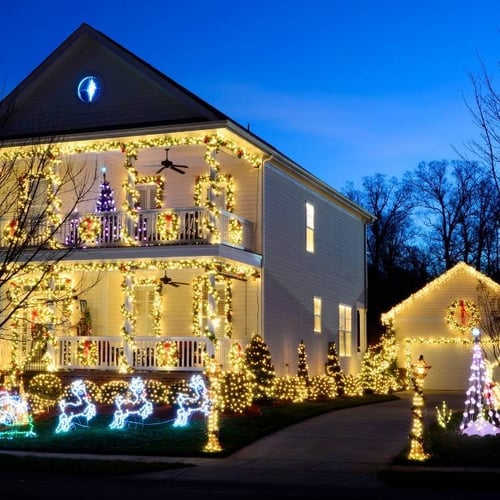
The twinkling lights, inflatable snowmen, and festive decorations that transform your home into a winter wonderland each December come with an invisible challenge—they place unprecedented demand on your electrical system.
Every holiday season, countless homeowners experience the frustration of outlets that suddenly stop working, circuit breakers that trip repeatedly, and electrical panels that struggle to keep up with the increased load.
Understanding why these failures occur and how to prevent them is essential to maintaining a safe and enjoyable holiday celebration.
-
Circuit overload is the primary cause.
-
Watch for critical warning signs.
-
15-amp circuits max out at 12 amps safely.
-
Never daisy-chain more than 3-5 light strands.
-
Dedicated circuits prevent holiday electrical problems.
-
Older homes need electrical panel upgrades.
-
A professional electrical assessment protects your home.
At Premiere Electric, we've been helping Tri-State Area homeowners navigate seasonal electrical challenges for over three decades, and we know exactly what causes outlets to stop working when you need them most.
Understanding Circuit Overload and Power Distribution
Your home's electrical system operates on a simple but critical principle: each circuit can safely handle only a specific amount of current before it becomes dangerous.
Circuit breakers protect your home by automatically interrupting the flow of electricity when too much current flows through the wiring. This safety mechanism prevents wires from overheating, insulation from failing, and fires from starting inside your walls.
During the holiday season, the equation changes dramatically. Where your living room outlet might normally power a lamp and television, it's suddenly expected to handle multiple strands of holiday lights, an inflatable decoration, a heated blanket, and perhaps even a space heater to combat winter's chill.
Each device draws power, and when the combined load exceeds the circuit's design limit, the system shuts down.
A standard 15-amp circuit should never carry more than 12 amps of continuous load, while a 20-amp circuit safely handles up to 16 amps. These limits might seem generous until you consider that a single space heater can draw 12-15 amps on its own.
Add holiday lighting, kitchen appliances running for extended cooking sessions, and the various electronics we use daily, and it becomes clear why outlets fail during this demanding season.
When wires carry more current than they're rated for, they generate excessive heat. This heat breaks down the protective insulation around the wires, creating conditions that allow electricity to arc between bare conductors.
In the best-case scenario, your circuit breaker trips and your outlet stops working. In the worst case, overheated wiring can ignite surrounding materials and start a fire inside your walls where you can't see it developing.
Common Holiday Electrical Triggers
Several specific factors combine to create the perfect storm for electrical outlet failures during the holidays. Recognizing these triggers helps you understand not just why problems occur, but how to prevent them before they disrupt your celebrations.
Overloaded outlets and power strips represent the most common culprit. Many homeowners don't realize that plugging a power strip into an outlet doesn't increase the circuit's capacity—it simply provides more outlets for devices to draw power from the same limited power source.
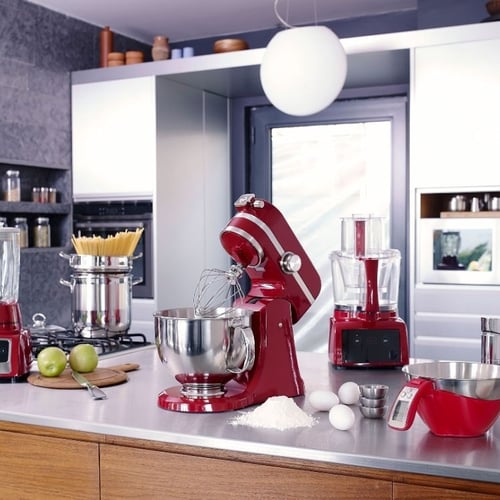
When multiple high-draw appliances share a single outlet through a power strip, the circuit still experiences the full combined load. Kitchen outlets face particular stress during holiday cooking marathons when electric roasters, mixers, coffee makers, and warming trays all run simultaneously.
Holiday lighting chains pose unique challenges. Manufacturers specify maximum connection limits for their light strands—typically three to five sets maximum—but these warnings often go unheeded in the quest for spectacular displays.
When homeowners connect ten or fifteen strands end-to-end and run them for eight to twelve hours daily throughout December, the continuous high load degrades wire insulation and creates heat buildup at connection points.
The cumulative effect of this extended operation pushes circuits beyond their safe operating parameters.
Outdated electrical panels compound these problems significantly. Homes built before the 1990s were designed for a vastly different electrical landscape.
These older systems never anticipated the power demands of modern life—LED televisions, computer systems, kitchen appliances, HVAC systems, and the elaborate electrical decorations that define contemporary holiday celebrations.
A 60-amp or 100-amp main service that might have been adequate in 1975 struggles to meet today's electrical requirements, especially during the winter months when heating systems add substantial loads.
Extension cords and temporary wiring solutions, while convenient, introduce additional resistance into your electrical system. Each connection point, each length of cord, and each adapter represents another opportunity for resistance, heat buildup, and potential failure.
Damaged cords with frayed insulation, exposed wires, or loose plugs pose serious fire hazards when used to handle continuous holiday loads.
Warning Signs of Overloaded Receptacles
Your electrical system provides clear warning signals before complete failure occurs. Learning to recognize these signs allows you to address problems proactively rather than waiting for an outlet to stop working entirely or, worse, for a dangerous situation to develop.
Flickering or dimming lights indicate that your circuit is struggling to distribute power evenly.
When lights dim noticeably as appliances cycle on, or when holiday lights flicker seemingly at random, your system is telling you it's operating at or beyond capacity. This symptom occurs because the circuit cannot maintain a consistent voltage across all connected devices when demand spikes.
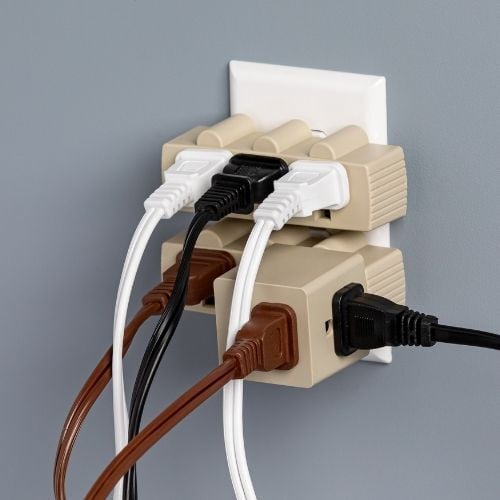
Warm or hot outlets and switches provide an unmistakable warning that something is wrong. Electrical systems should never generate noticeable heat during normal operation. An outlet that feels warm to the touch, or worse, hot enough to be uncomfortable, indicates dangerous heat buildup inside the wall.
This condition demands immediate attention—discontinue use of that outlet and have it inspected by a professional electrician before using it again. Discoloration or scorch marks around outlets represent advanced warning signs that overheating has already damaged components.
Repeatedly tripped circuit breakers tell you directly that your circuit cannot handle the current load you're placing on it. While a single trip might result from a momentary surge, frequent trips indicate a chronic overload condition.
Resetting the breaker repeatedly without addressing the underlying cause doesn't solve the problem—it only delays the inevitable failure and may allow dangerous conditions to persist.
Buzzing or crackling sounds from outlets, switches, or light fixtures indicate loose connections or electrical arcing.
These noises occur when electrical current jumps across gaps in wiring or struggles through degraded connection points. Any unusual sound from your electrical system warrants immediate professional inspection.
Burning odors or the smell of hot plastic near outlets represents perhaps the most urgent warning sign. These odors indicate that wire insulation is melting or burning—a condition that can rapidly progress to an electrical fire. If you detect these smells, shut off power to the affected circuit immediately and contact a licensed electrician.
Benefits of Dedicated Electrical Circuits
The most effective solution to holiday outlet failures is to install dedicated circuits for high-demand areas of your home. A dedicated circuit serves a single outlet or a specific area, ensuring the circuit's full capacity is available without interference from other devices or appliances.
Dedicated circuits distribute your home's electrical load across multiple breakers rather than concentrating it on a few overworked circuits. This distribution reduces the load on any single circuit, preventing the overheating and failures that cause outlets to stop working.
When your outdoor decorations, kitchen appliances, and living room electronics each operate on separate circuits, none of them compete for power or risk pushing a shared circuit beyond its limits.
Professional electrical service upgrades begin with a comprehensive assessment of your home's current electrical situation. A master electrician assesses your panel capacity, evaluates your typical power usage, identifies circuits that regularly operate near capacity, and develops a plan to redistribute loads safely.
This assessment often reveals that homes require not only dedicated circuits but also panel upgrades to increase overall system capacity.
For holiday lighting and outdoor decorations, dedicated circuits provide reliable power without affecting your home's interior electrical system. You can run elaborate light displays without worrying about tripping breakers or interfering with indoor outlets.
Many homeowners choose to install dedicated outdoor circuits with ground fault circuit interrupter protection, ensuring safe operation even in wet conditions.
Kitchen circuits benefit tremendously from dedicated service, particularly during holiday cooking sessions. Installing separate circuits for major appliances, countertop outlets, and specialty equipment means you can run multiple devices simultaneously without overloading the system.
This improvement is valuable year-round but becomes essential during Thanksgiving and December celebrations, when kitchens operate at peak capacity.
The investment in dedicated circuits and electrical service upgrades pays dividends in safety, convenience, and peace of mind. You eliminate the frustration of repeatedly resetting breakers, the inconvenience of outlets that stop working at critical moments, and most importantly, the serious fire hazards that overloaded circuits create.
Modern electrical systems with properly distributed loads and adequate capacity handle holiday demands safely while providing the flexibility to add devices and decorations without constant concern about system limits.
Protecting Your Home This Holiday Season
If you're experiencing outlet failures, tripped breakers, or any warning signs of electrical overload, don't wait for the problem to escalate.
Premiere Electric's fully licensed and insured master electricians specialize in electrical service upgrades, panel replacements, circuit breaker installations, and complete home rewiring.
We serve the tri-state area with the same commitment to quality that has earned us consistent five-star reviews from homeowners who trust us to keep their families safe.

Holiday electrical problems stem from systems that weren't designed for modern demands. Let our experienced team evaluate your home's electrical capacity and create solutions that keep your outlets working reliably throughout the season. We do it right the first time, ensuring your holidays stay bright, safe, and trouble-free.